Militarized Policing and the Imperial Boomerang in the US and Britain
Talk by Professor Julian Go based on his book “Policing Empires”.
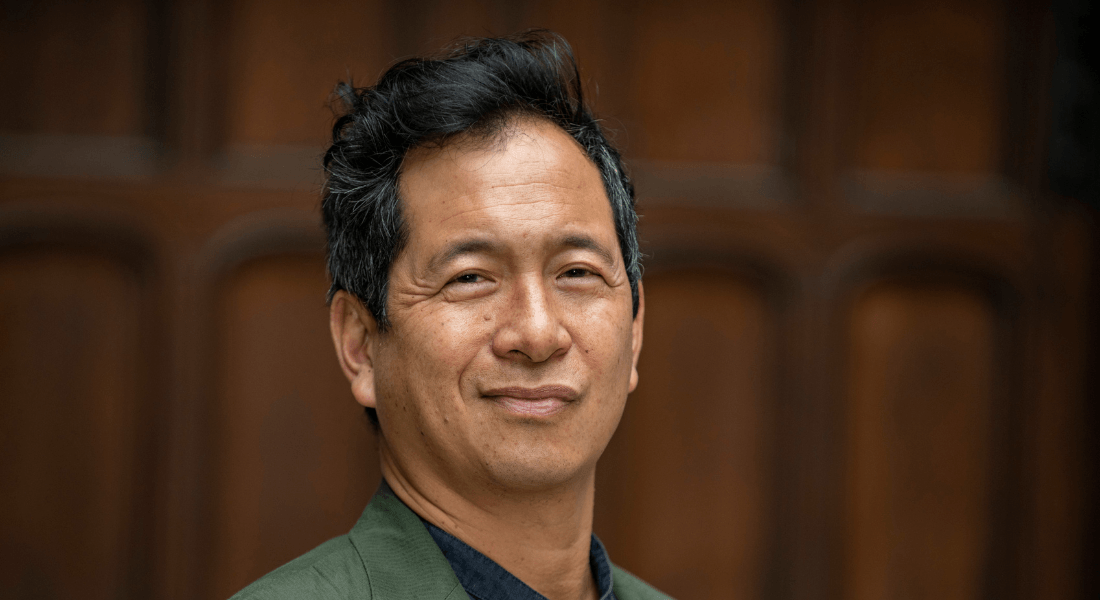
One of the leading voices within postcolonial sociology, Julian Go, professor at the University of Chicago, will be visiting the department of Sociology.
Julian Go is in Europe this spring as a Leverhulme Visiting Professor at Cambridge University, and he will be on a panel later this month as part of the annual meeting of the British Journal of Sociology in London to mark the 10th anniversary of his landmark book, Postcolonial Thought and Social Theory.
Julian Go will give a talk at the Department of Sociology, based on his recent book, Policing Empires (OUP, 2024). This talk bridges criminology, historical sociology, and postcolonial analysis by demonstrating how policing in Britain and the US evolved such that militarized practices from imperial rule were introduced back home in response to perceived domestic threats.
Abstract
Today the police in the United States and Britain are heavily militarized forces wielding the same weaponry, operations and tactics as armies that treat immigrants and citizens, including student protestors, as enemies of war. But this is not supposed to be. When the modern police were first created, they were meant to be a non-militarized “civil” police. How and why did the police in liberal democracies become militarized? As this lecture will show, the answer lies in imperialism past and present, and associated dynamics of racialization and colonial fascism. Militarized policing is an effect of what the anticolonial thinker Aimé Césaire called “the imperial boomerang.
All are welcome to join!